Optimal Timing for Concrete Leveling
Concrete levelings are most effectively performed during specific weather conditions to ensure optimal results. The ideal time depends on temperature, moisture, and seasonal factors that influence the curing process and adhesion of the leveling material.
These seasons typically offer moderate temperatures and consistent moisture levels, making them suitable for concrete levelings. Warm temperatures help the material cure properly without rapid drying.
Late summer and early fall can be appropriate, provided temperatures remain within the recommended range. Avoiding extreme heat prevents premature drying and cracking.
Cold winter temperatures can hinder curing, while peak summer heat may cause rapid drying, leading to cracks. Timing is crucial to avoid these conditions.
The optimal temperature for concrete leveling is typically between 50°F and 85°F. Consistent weather within this range promotes proper curing and adhesion.
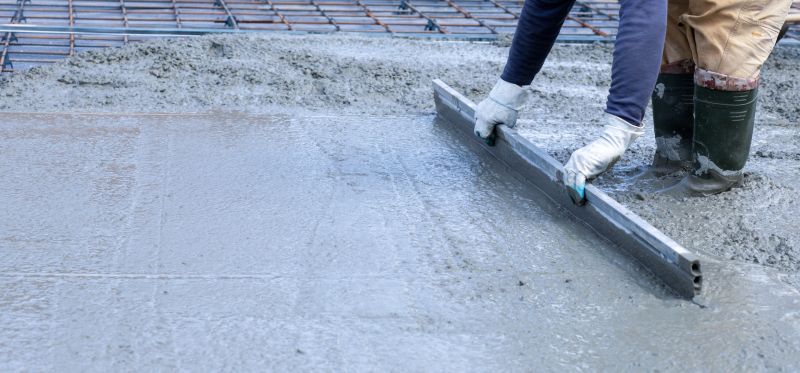
Spring provides moderate temperatures ideal for leveling projects.
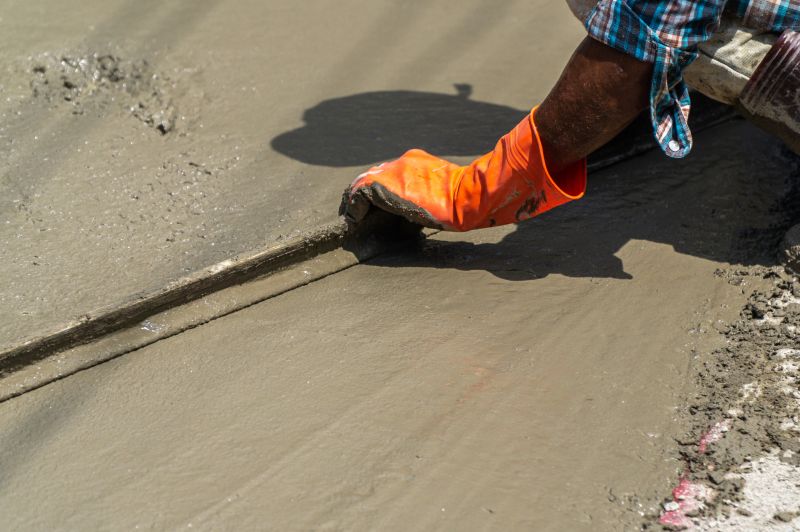
Early summer offers warm weather suitable for concrete work.
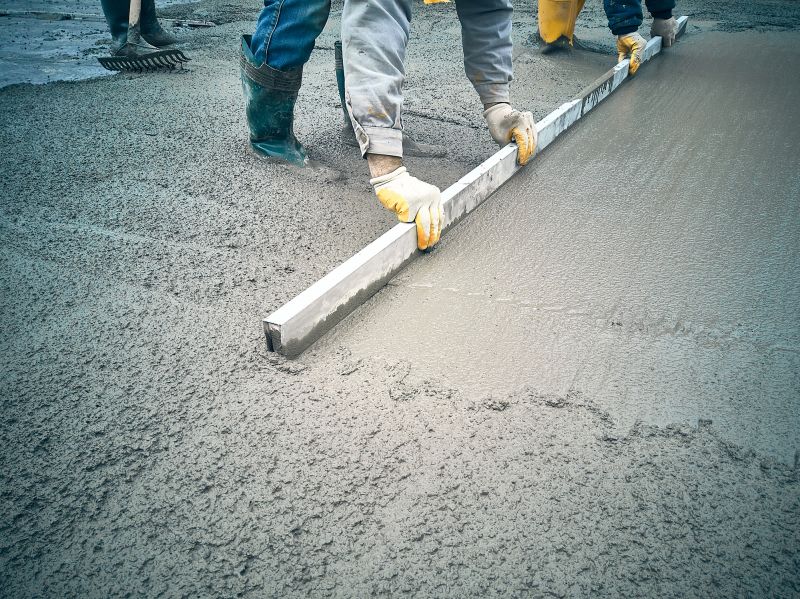
Late summer and early fall are good for leveling before cold weather sets in.
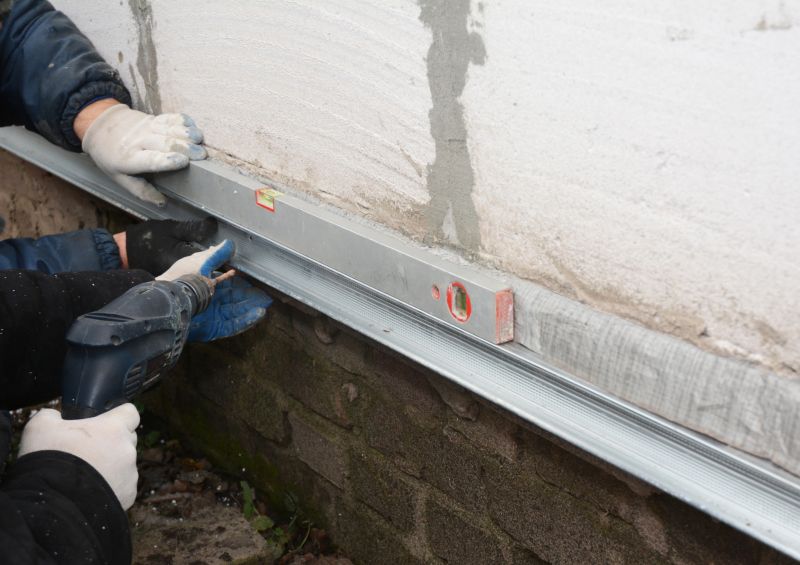
Ways to make Concrete Levelings work in tight or awkward layouts.
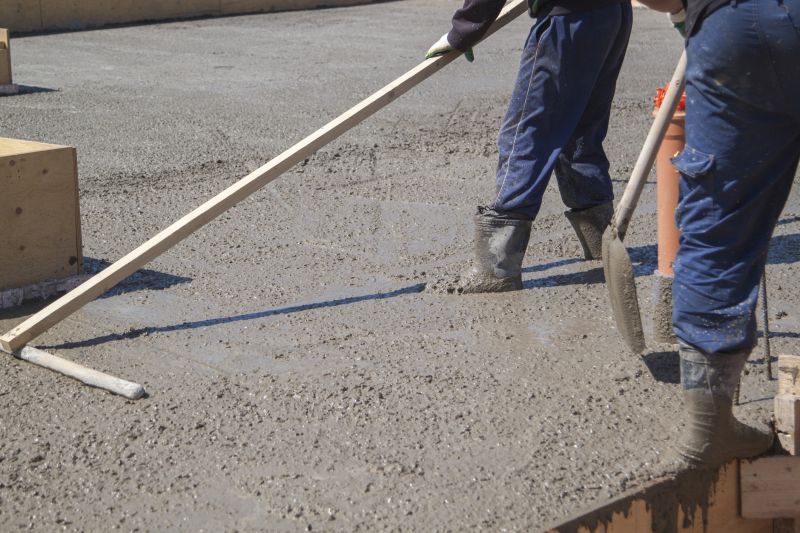
Popular materials for Concrete Levelings and why they hold up over time.
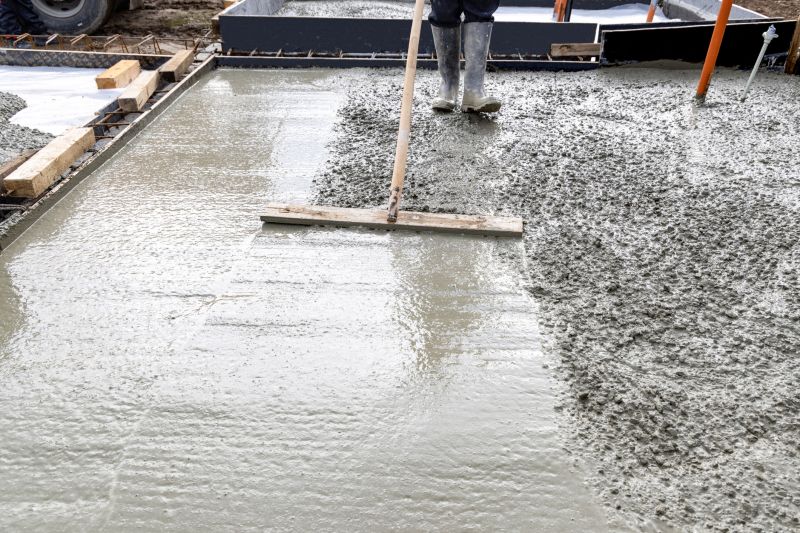
Simple add-ons that improve Concrete Levelings without blowing the budget.
| Season | Temperature Range (°F) |
|---|---|
| Spring | 50-75 |
| Summer | 70-85 |
| Early Fall | 55-75 |
| Late Fall | Below 50 |
| Winter | Below 50 |
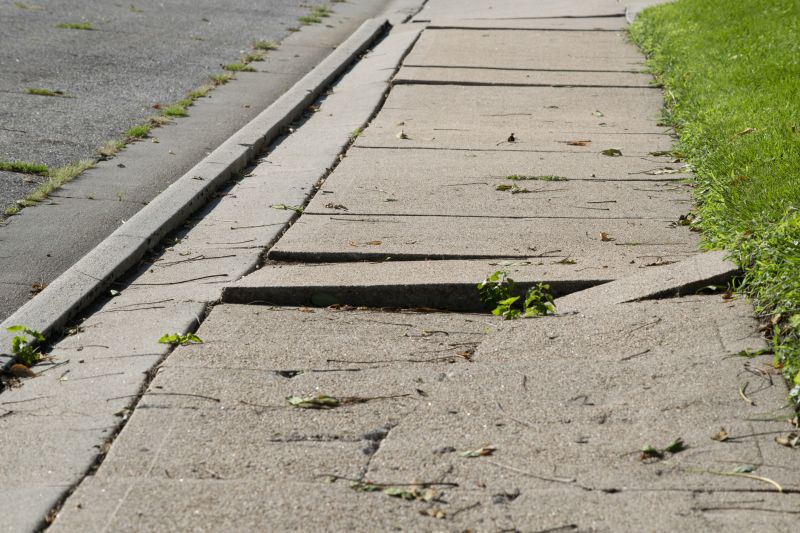
Concrete levelings are a cost-effective and efficient way to restore a level surface to driveways, sidewalks, and other concrete structures. Proper timing ensures the material sets correctly, reducing the risk of future unevenness or cracking. Seasonal considerations play a significant role in achieving durable results, with moderate weather conditions being most favorable for application and curing.
Statistics indicate that performing concrete levelings during optimal weather conditions can extend the lifespan of the repair by reducing stress from temperature fluctuations and moisture variations. Planning levelings during suitable seasons can also minimize project delays and additional costs caused by weather-related issues.
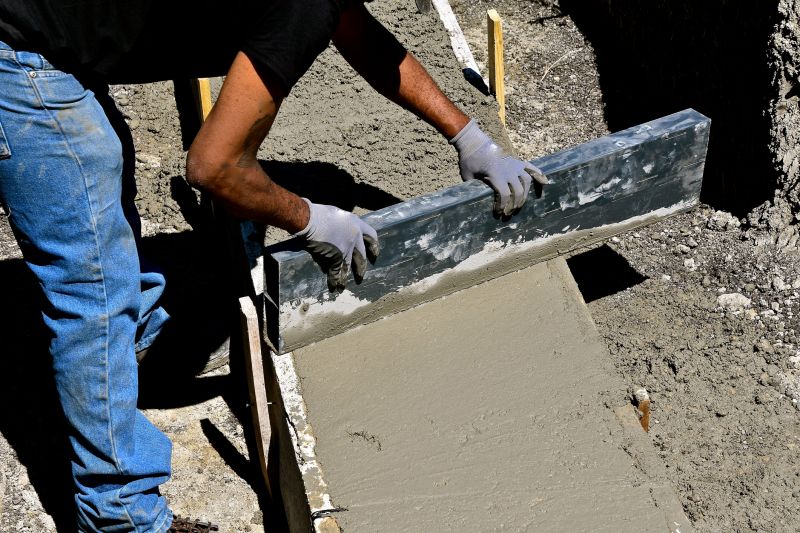
Proper timing enhances the effectiveness of the leveling process.
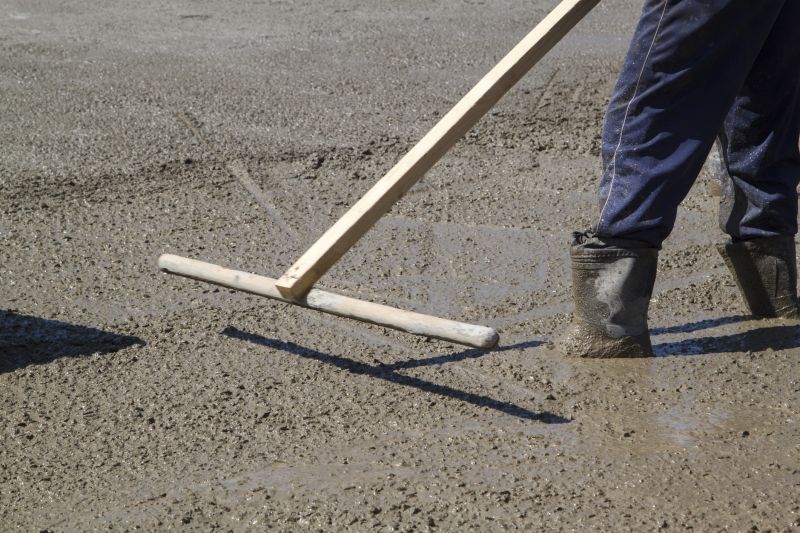
Weather conditions influence curing and adhesion.
Optimal weather supports strong, durable repairs.

High-end options that actually feel worth it for Concrete Levelings.
Interested in scheduling a concrete leveling project? Filling out a contact form can help determine the best timing based on local weather patterns and project specifics. Proper timing ensures the longevity and quality of the repair.